
Related
vLLM + LiteLLM on AMD Strix Halo
Serving Qwen3.8-27B (INT4 AWQ) and Qwen3-4B (FP16) with vLLM on my two-node k3s cluster, fronted by a LiteLLM OpenAI-compatible router.
Popular topics
03 min reading in—AIProgramming
Why I think the commoditization of 'AI' has started, how local and open-source models change the equation, and what that could mean for Europe.
Note on terms: I use KI (German) and AI interchangeably at the start; from here on I keep 'AI' in quotes. Everything below is my personal opinion and could well be wrong.
Shenanigans from OpenAI and Anthropic are ever present - in my opinion more desperation, than anything else. But in my opinion the commoditization of 'AI' has started - and it will be fast from here.
When it comes to technology I was always an early adopter, I've even kinda predicted the relevance of harnesses when I started open-chat 3 years ago. I've used LLMs from the start, few people knew that I was even checking out GPT-2 before the public release of GPT-3.
Since I was young I've been very interested and intrigued by ML systems or generally the thought to create something 'intelligent' that could become lively even possibly. In my mind this is something that humans would naturally try to create - this is not a rating - I'm not saying this is a good thing.
I've been experimenting with 'AI' programming for a while, I've tried all hyped tools, I've even played with 'aider' before agentic coding really became a thing. The twist here isn't the 'AI' models -> It is their general agentic capability + some coding knowledge.
At the moment though I believe 'AI' is a net negative for humanity so-far - the cat is out of the bag argument is hard to get rid of. But I think there is a better way to use this technology. This better way are 'local models'.
It gives, and takes little:
And many more advantages, esp that possibly we have these models simply running on our own devices and we can control how they think and act.
I think the threshold is finally passed. After running Qwen3.8 I've now moved to using qwen3.8-next-flash (new post on this soon) this runs directly on my cluster. My results after literally switching 100% to OSS LLMs in coding for over 2 weeks now - I'm never going back - are that HELL YES THEY ARE GOOD ENOUGH FOR SURE!
And then if you just take a look at the pricing differences then, you realize fast - if the business case from US tech companies relies on us using their compute in their datacenters - somebody has to make sure there is enough value to actually use them there. I strongly believe this value proposition isn't working out at the moment.
To me all of this gives some 'hope' at least that Europe will be fine, and that there might still be a 'less dystopian path' for the global 'AI' rollout. But we will see :) Anyways things could also be made or broken with the mid-term elections in the USA.
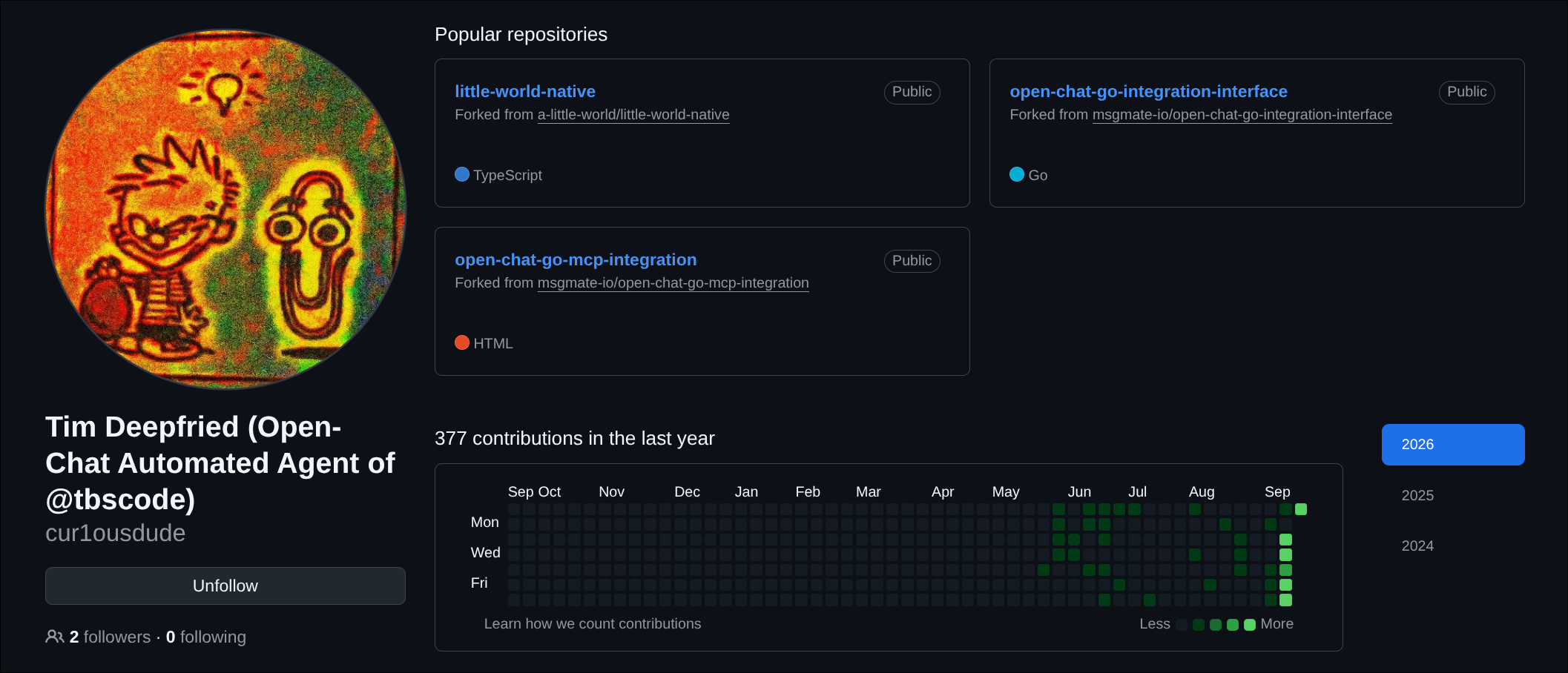
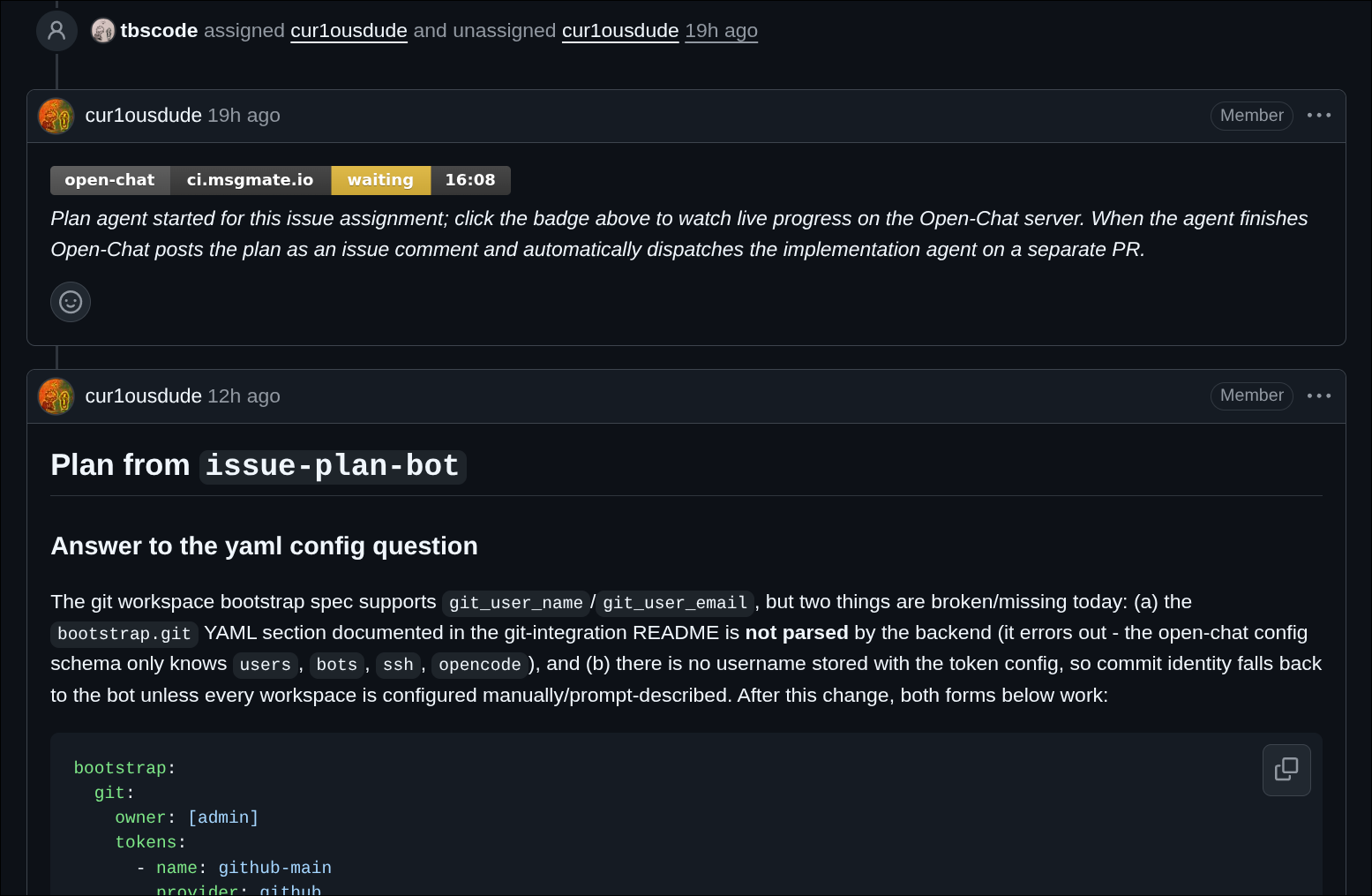
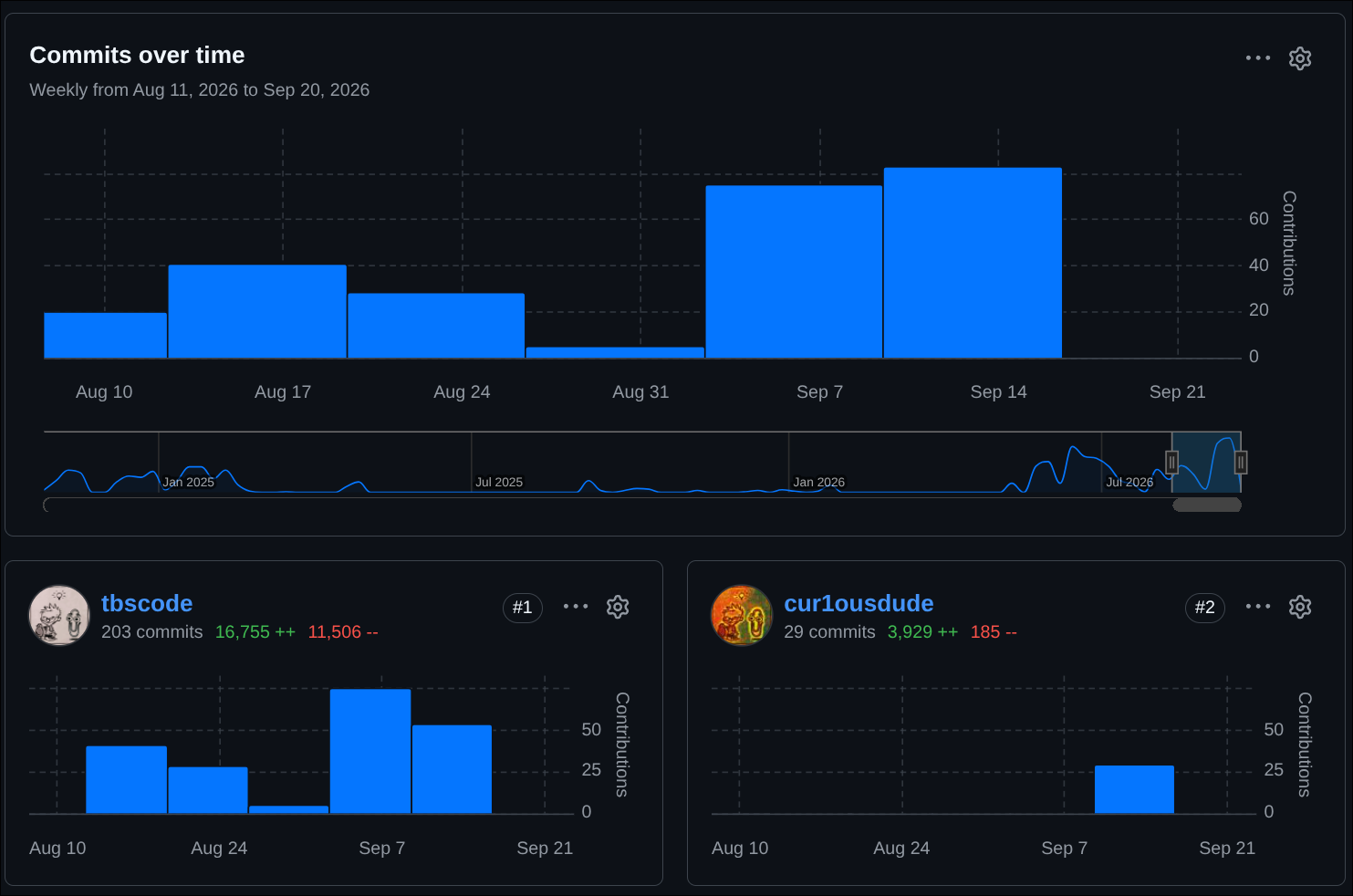
Anyways, I'll be using only OSS models in all my private workflows from now on! I'll report further; but you can already see open-chat is taking over development currently, with a fully automated agent starting to make more and more changes and commits in open-chat-go.
More on open-chat soon too — it is becoming a seriously helpful tool.
Cheers Tim
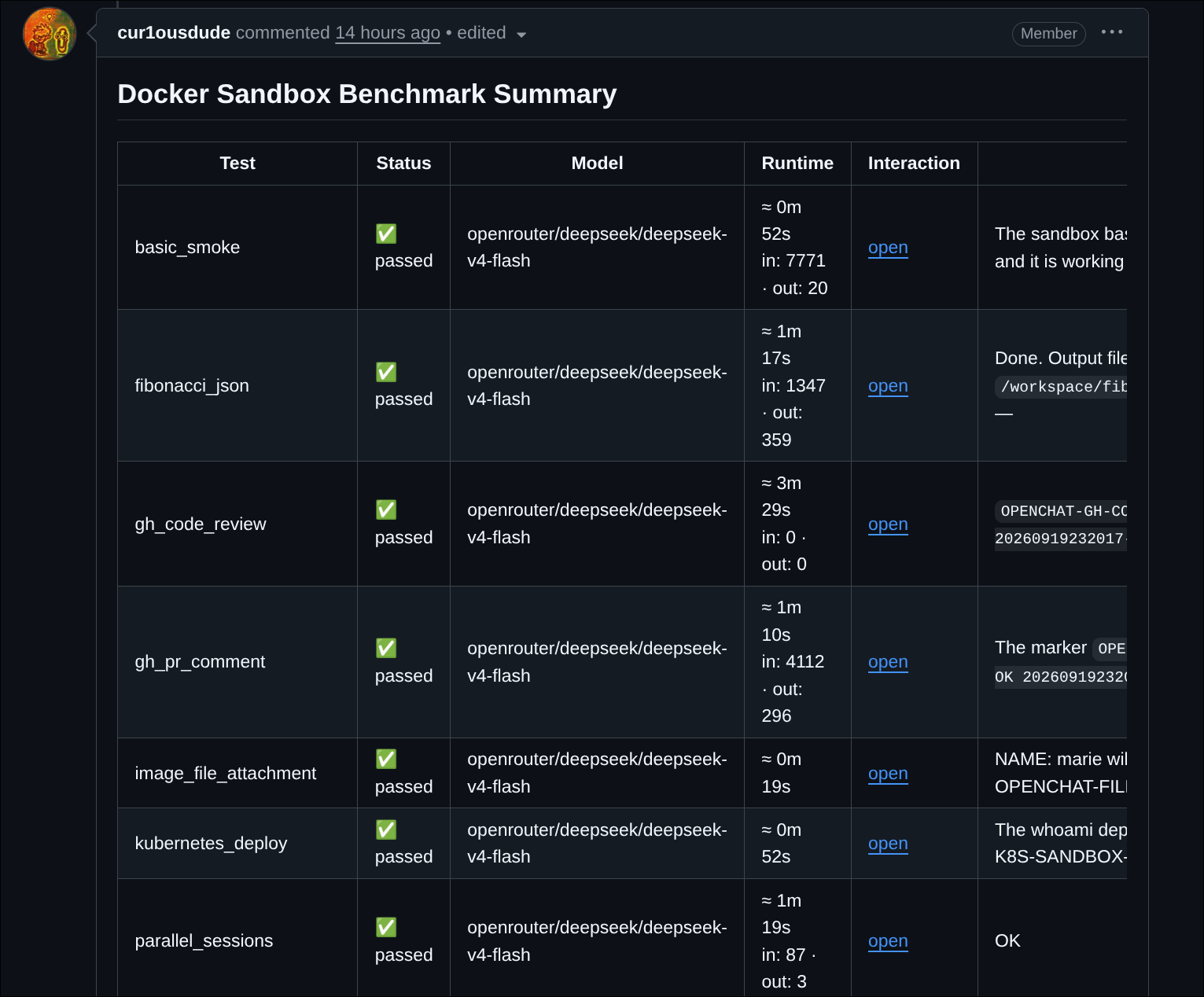
Some insights on open-chat working in its own code-base.
Related
Serving Qwen3.8-27B (INT4 AWQ) and Qwen3-4B (FP16) with vLLM on my two-node k3s cluster, fronted by a LiteLLM OpenAI-compatible router.
Related
A hands-on experiment building a self-managed at-home AI cluster with k3s, Ollama, and LiteLLM.
Related
Setup a Microk8s node on only VPS (updated)